The Environmental Impact of Buying and Donating Used Books (Numbers That Will Surprise You)
Updated: Jun 11
Find out more about us on our Home Page
Hey book lovers, thrift-store warriors, and eco-curious friends—grab your favorite mug of coffee (or tea, we don’t judge) and settle in. If you’ve ever walked out of a little used-book storefront with a stack of treasures for less than the price of a fancy latte, you probably felt pretty good about that deal. But here’s the mind-blowing part: that $2 paperback you just scored didn’t just save your wallet—it quietly saved a forest, slashed carbon emissions, and kept a truckload of waste out of the landfill.
We’re talking real, jaw-dropping numbers here. The traditional publishing world keeps the stories flowing, and the used-book side of things supercharges that impact by giving every title a longer, greener life. So let’s geek out on the stats together. Spoiler: the used-book industry isn’t just charming and nostalgic—it’s a legit climate superhero that works hand-in-hand with everything the bigger players are already doing.

The Impressive Scale of Bringing a Brand-New Book to Life
Let’s start with what it actually takes to produce a shiny new book. It’s a fascinating process with some seriously big numbers attached.
One mature tree yields roughly enough paper for about 25 average-sized books. In the United States alone, the publishing industry uses resources on a massive scale—32 million trees every single year to keep up with demand for all those fresh stories we love. Globally, we’re looking at billions of trees supporting the entire ecosystem of reading over the coming decade.
Producing a single new printed book releases somewhere between 2.7 and 7.5 kilograms of CO₂—depending on paper type, printing methods, and shipping. (Lifecycle assessments put the average around that range for a typical paperback.) With 8.5 billion books sold worldwide each year, the industry’s total carbon footprint lands in the millions of metric tons annually—one widely cited figure puts global book publishing at around 12.4 million metric tons of CO₂ per year. That’s a powerful reminder of the resources required to deliver the books we cherish.
Water usage tells another big story. Paper production is resource-intensive, and the newspaper-and-book publishing sector in the U.S. alone uses about 153 billion gallons of water annually. Even one sheet of paper can require up to 10 liters during pulping and processing. Add in the energy (roughly 2 kilowatt-hours of fossil fuels per book on average), inks, glues, and transport, and you start to appreciate just how much goes into every new title.
Here’s a fun (and eye-opening) fact: up to 20–50% of books printed by publishers never make it all the way to a reader’s hands due to returns and overstock. Those titles still represent a huge investment in materials and energy—something the whole industry is actively working to optimize through better demand forecasting and sustainable practices.
The Opportunity: Where Used Books Step In and Amplify the Good
This is the part where we get genuinely excited—because used and donated books turn those big numbers into even bigger wins.
When you buy a used book—or donate one that finds a new home—you extend the life of materials that already exist. No additional tree needs to be harvested for that particular copy. No fresh CO₂ is generated for new pulping and printing. The environmental “cost” of that second (or third, or tenth) life is close to zero additional impact.
Studies on book reuse show it can save more than twice as much energy as making a book from recycled paper alone. Why? Because you’re bypassing re-pulping, re-bleaching, and re-manufacturing. One analysis found that buying used cuts a book’s carbon footprint to less than one-fifth of a new copy. That’s like turning a full production cycle into a simple handoff—keeping the story alive with almost none of the original footprint.
Donating takes it even further. Every book you drop off at a local shop, library, or charity bin keeps it circulating instead of heading elsewhere. One chain of secondhand bookstores tracked their impact and reported reusing or recycling nearly 2 million books in a single year, saving millions of liters of water and preventing thousands of trees from being harvested for new production. Multiply that across thousands of small storefronts and donation centers worldwide and you’re talking serious planetary-scale benefits.
The Bigger Picture: Used Books + Traditional Publishing = A Win-Win Loop
Here’s the scale that always blows our mind: if every reader in the U.S. swapped just one new book purchase for a used one each year, we’d save millions of trees and cut millions of tons of CO₂—while still supporting the authors, publishers, and creators who keep the new releases coming. The used-book world doesn’t replace the industry; it complements it beautifully. New books introduce fresh stories and ideas, and used books keep those stories (and the resources behind them) in circulation longer.
And it’s not just about the planet. Used-book shops create local jobs, support literacy programs, and keep money circulating in communities instead of shipping it far away. Small retail storefronts become hubs where everyone wins—readers get affordable access, donors feel great about their contributions, and the environment gets a helping hand.
What You Can Do (and Why It Actually Matters)
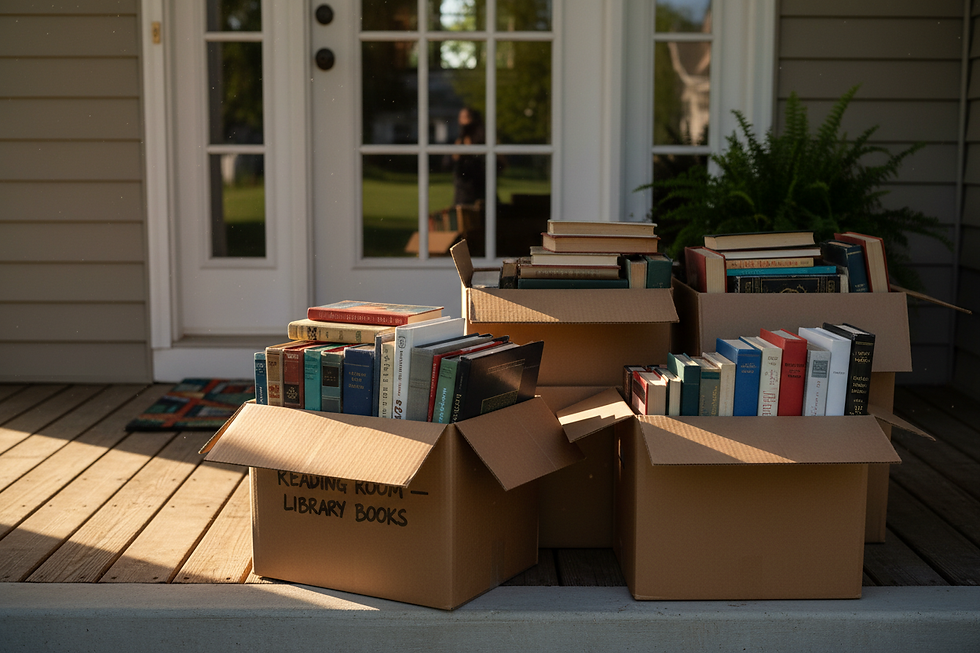
Next time you’re decluttering, don’t let those books gather dust. Donate them. Every single title counts. When you shop used, you’re voting with your wallet for a circular economy that keeps the whole book world thriving sustainably.
What’s the most surprising stat you read here? Drop it in the comments or tell us the next time you donate.
Happy reading (and saving the planet),
Recent Posts


Comments